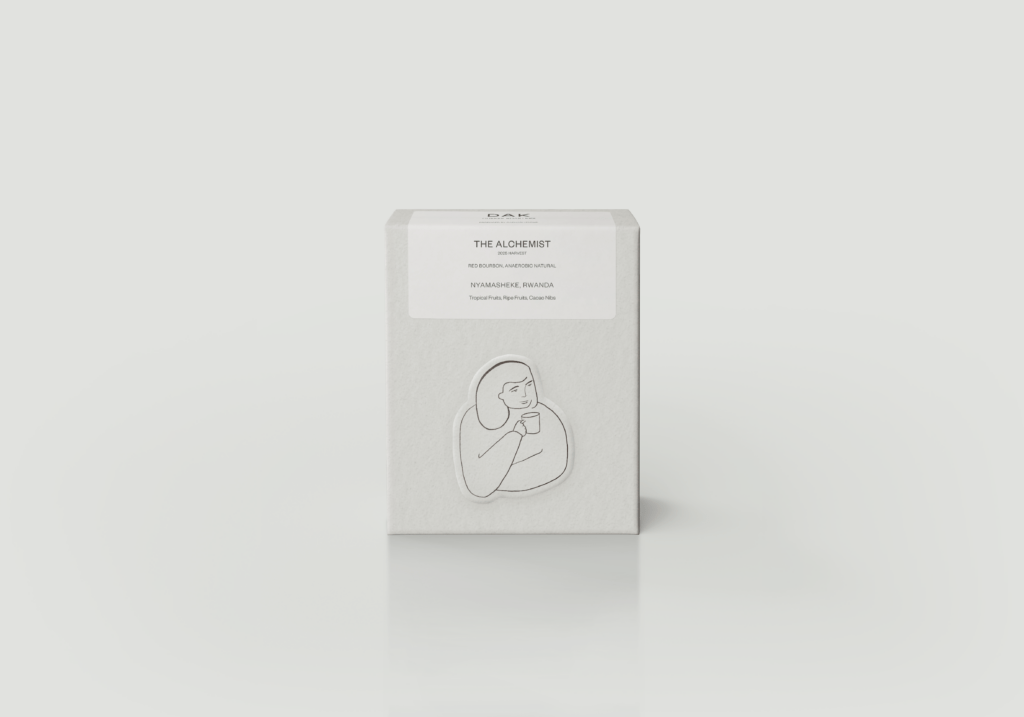
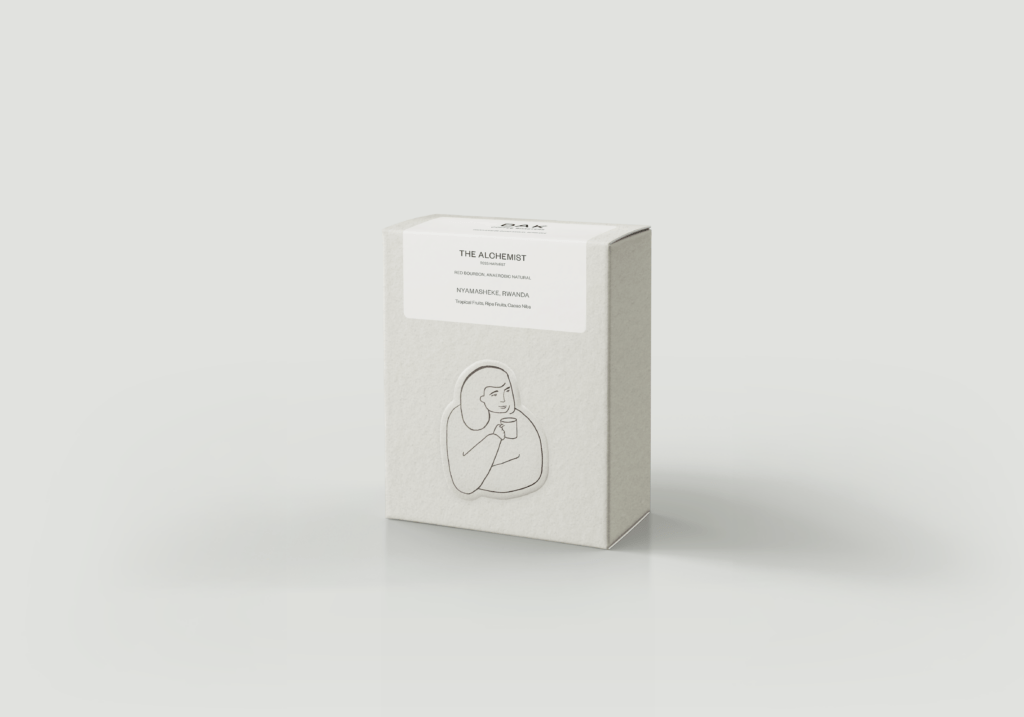
The Alchemist

Juicy

The Alchemist is an anaerobic natural Red Bourbon from Gasharu Farms in Nyamasheke, Rwanda. We source this one direct. The profile sits between tropical fruit and dark chocolate, shifting depending on how you brew it. Espresso pushes the cacao forward; filter opens up the fruit. One of the more complex coffees in the collection.


Flavor Profile Juicy
Origin Rwanda
Region Nyamasheke
Producer / Farm Gasharu Farms
Harvest 2026
Tasting notes Cacao, Ripe Fruits, Tropical Fruits
Altitude 1700masl
Varietal Red Bourbon
Process Anaerobic Natural

Weight
Roast Profile

FROM ORIGIN TO CUP

The Alchemist comes from Gasharu Farms in Nyamasheke, a district in Rwanda's western highlands close to Lake Kivu. We source this coffee directly from them. The anaerobic natural process pushes the Red Bourbon variety into territory it would not reach with conventional processing: tropical fruit, cacao, and a ripe, almost jammy sweetness. The name fits. The processing transforms what would be a clean, bright Bourbon into something heavier, complex and more layered. It works across both roast profiles and does exceptionally well in milk-based drinks.

Origin

Gasharu Farms is in Nyamasheke, Rwanda at 1700 masl. The western highlands near Lake Kivu provide consistent rainfall and altitude. We buy this lot direct, with no importer in between.
Varietal

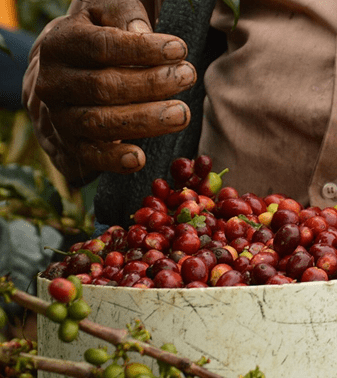
Red Bourbon is the backbone of Rwandan specialty coffee. A tall, low-yielding variety known for its sweetness and balanced acidity. With anaerobic natural processing, the clean Bourbon character becomes a canvas for heavier fruit and chocolate notes that the fermentation builds.
Processing

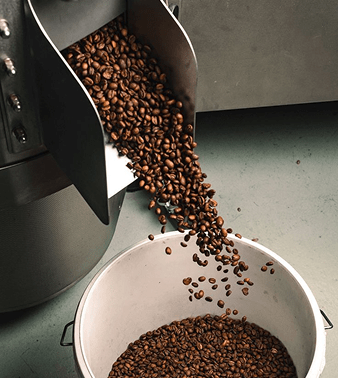
Anaerobic natural: whole cherries ferment in sealed tanks without oxygen. The process concentrates sugars and develops the tropical and cacao notes that define this coffee. The dried cherry stays on the seed longer than conventional naturals.
Intervention level

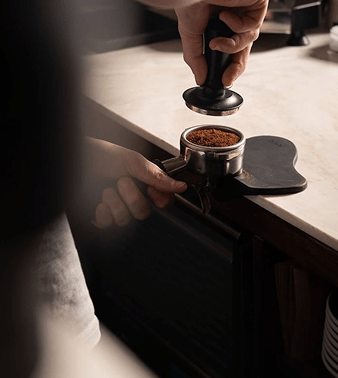
This is a Medium-intervention coffee. The anaerobic natural process requires precise temperature and timing control. The fermentation environment is fully managed to develop the tropical and cacao character that defines this lot.

NOTES IN THE CUP

The Alchemist opens with juicy tropical fruits. Not the bright, citric kind. More like ripe mango and papaya that have been sitting in the sun, concentrated and heavy. Behind that sits cacao, not chocolate exactly, but the raw bitter-sweet note of roasted cacao nibs. As espresso, the cacao takes over and the fruit recedes into the body. The shot runs heavy and syrupy. As filter, the tropical notes spread out and the finish becomes cleaner, with the ripe fruit lingering longer. The anaerobic processing gives this coffee a density that most Rwandan naturals do not have. It rewards attention.

Notes: Tropical Fruits, Cacao, Ripe Fruits

Cacao
Ripe Fruits

Explore more coffees

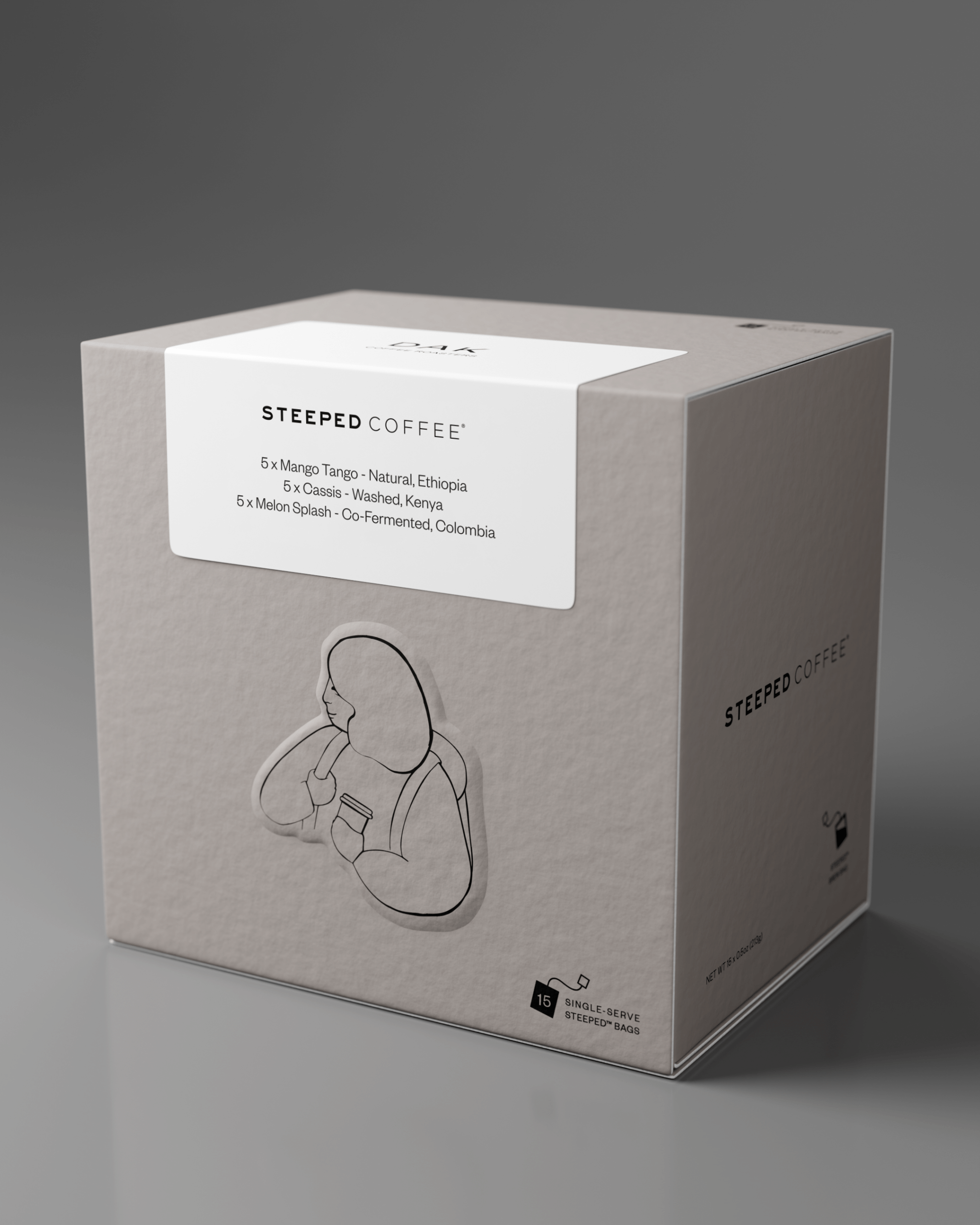
Steeped (15x)

 16,00
Batian (AA), Castillo, Red Bourbon, Ruiriu, SL-28, SL-34, Advanced Fermentation, Anaerobic Natural, Washed, Colombia, Kenya, Rwanda
Various

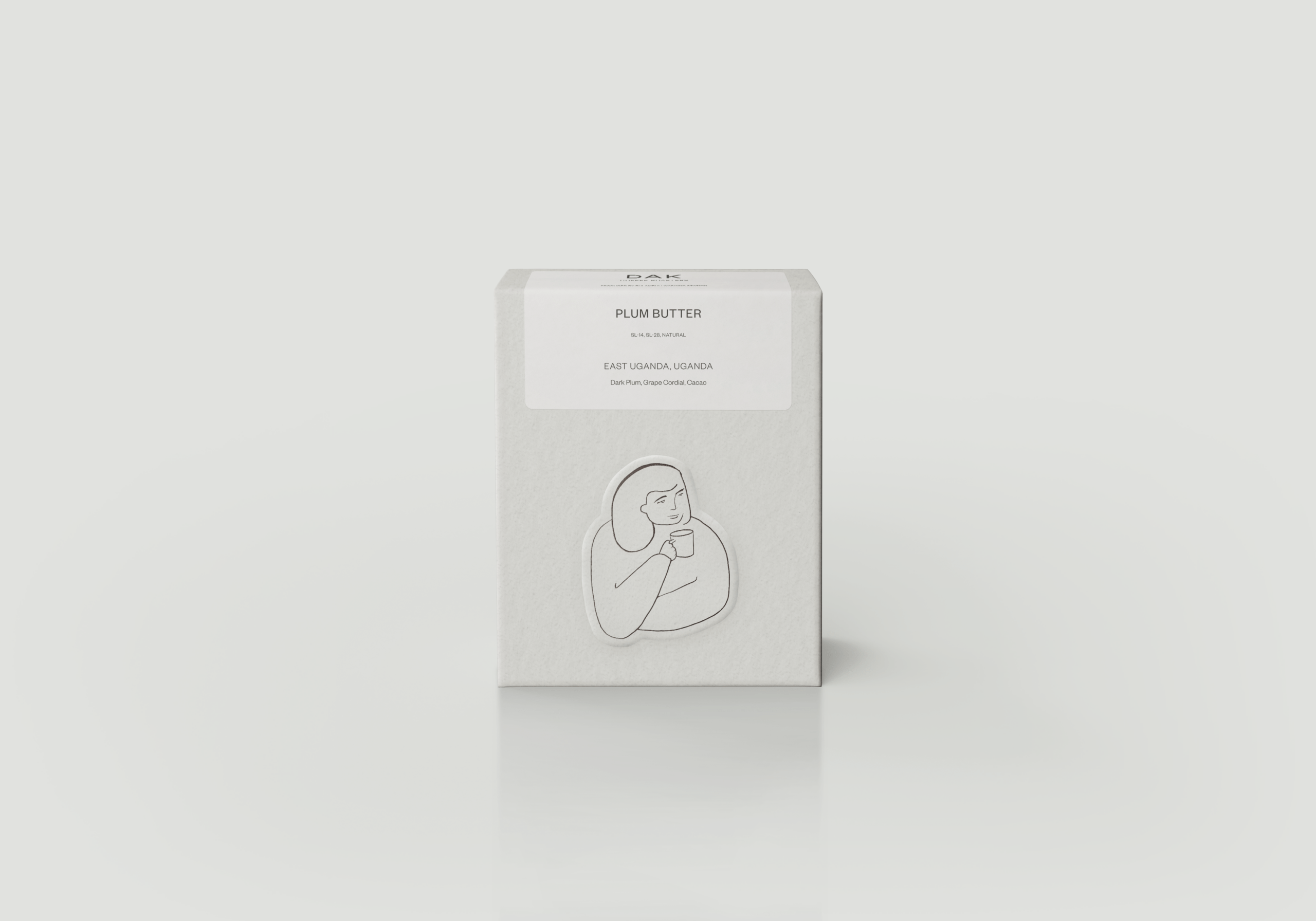
Plum Butter

 16,00
SL-14, SL-28, Natural, Uganda
Cacao, Dark Plum, Grape Cordial

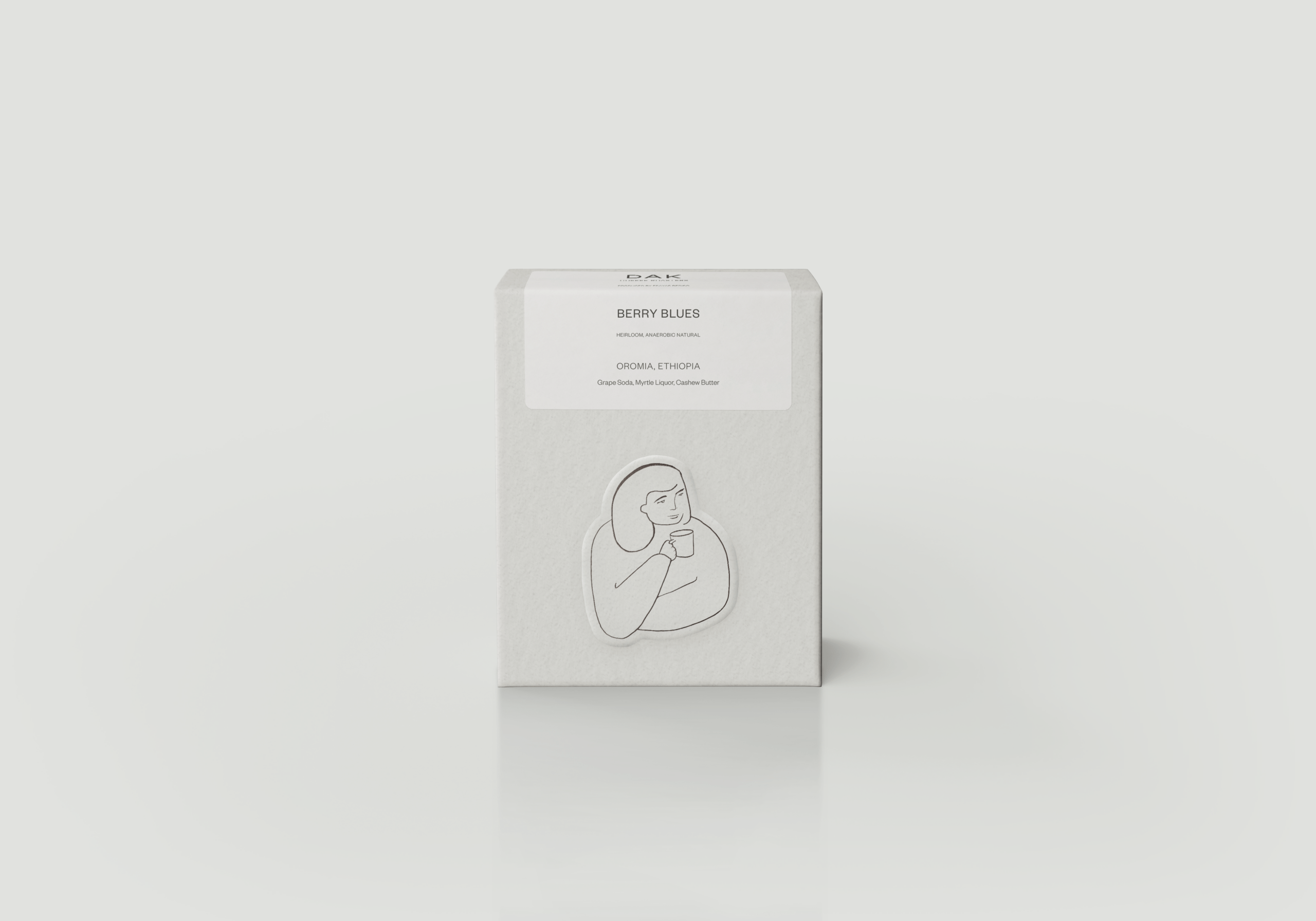
Berry Blues

 24,95
Heirloom, Anaerobic Natural, Ethiopia
Cashew Butter, Grape Soda, Myrtle Liquor

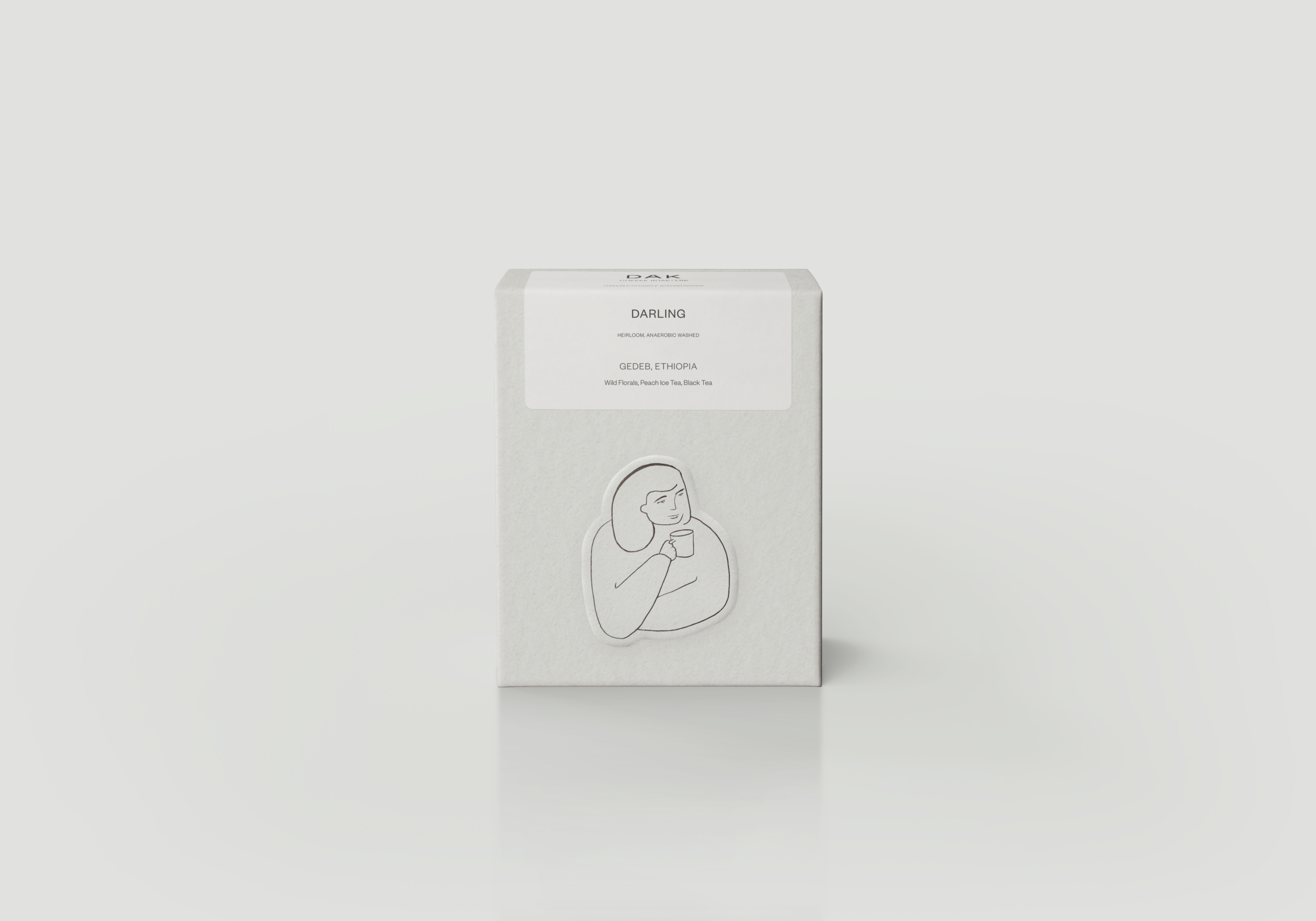
Darling

 18,95
Heirloom, Anaerobic Washed, Ethiopia
Black Tea, Peach Iced Tea, Wild Florals

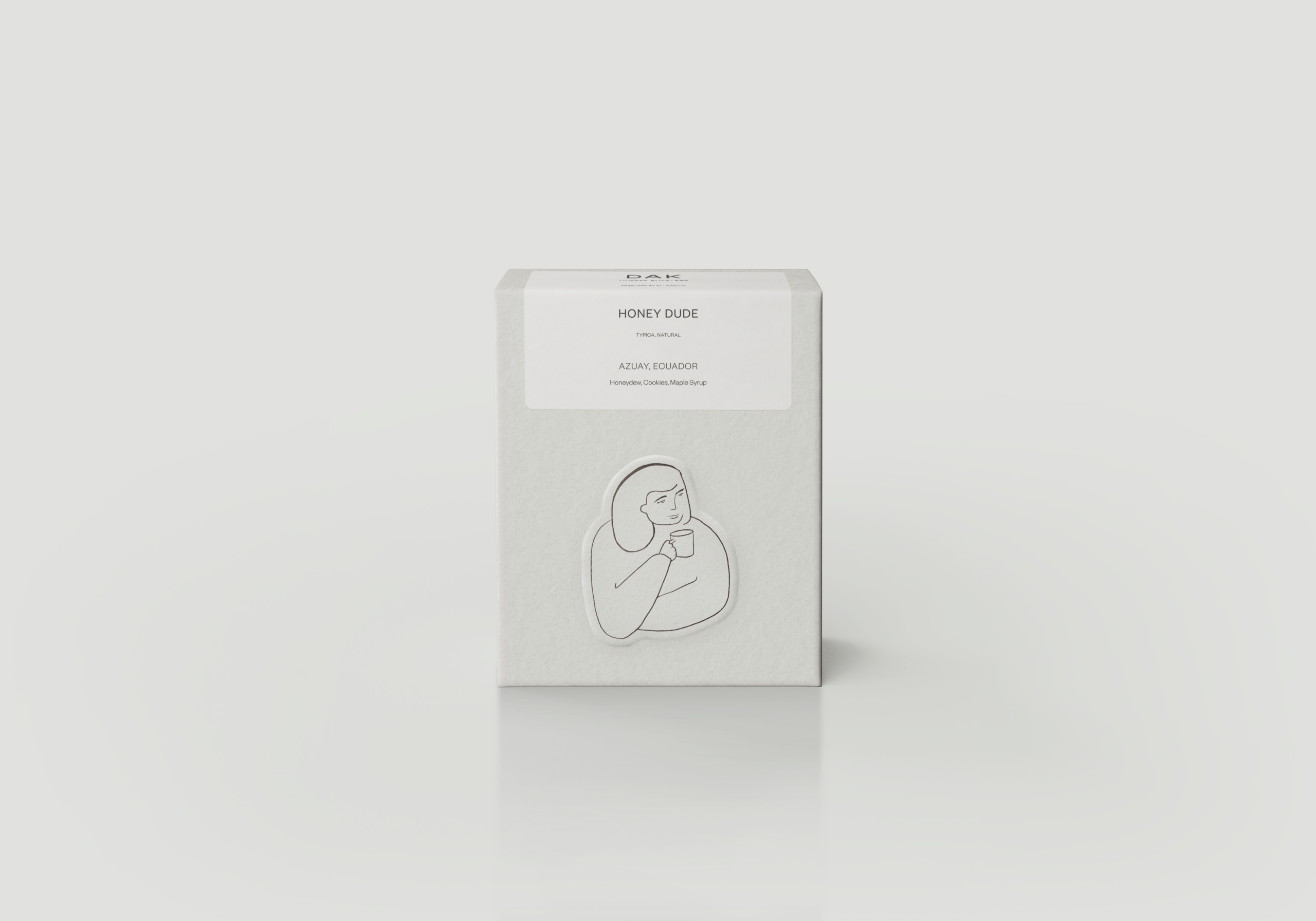
Honey Dude

 19,95
Typica, Natural, Ecuador
Cookies, Honeydew, Maple Syrup

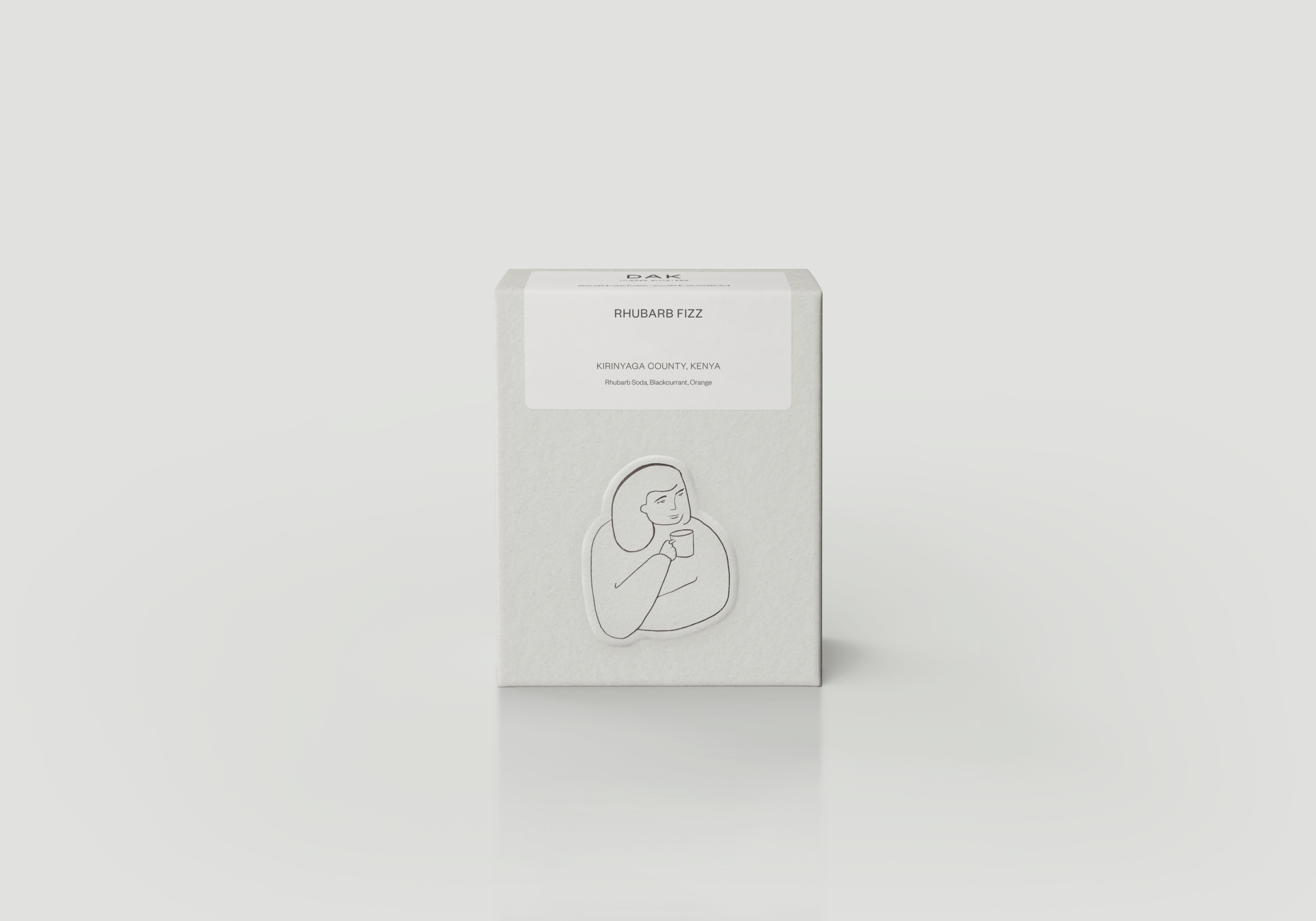
Rhubarb Fizz

 16,47
Batian, Ruiri 11, SL-28, SL-39, Washed, Kenya
Black Currant, Orange, Rhubarb Soda

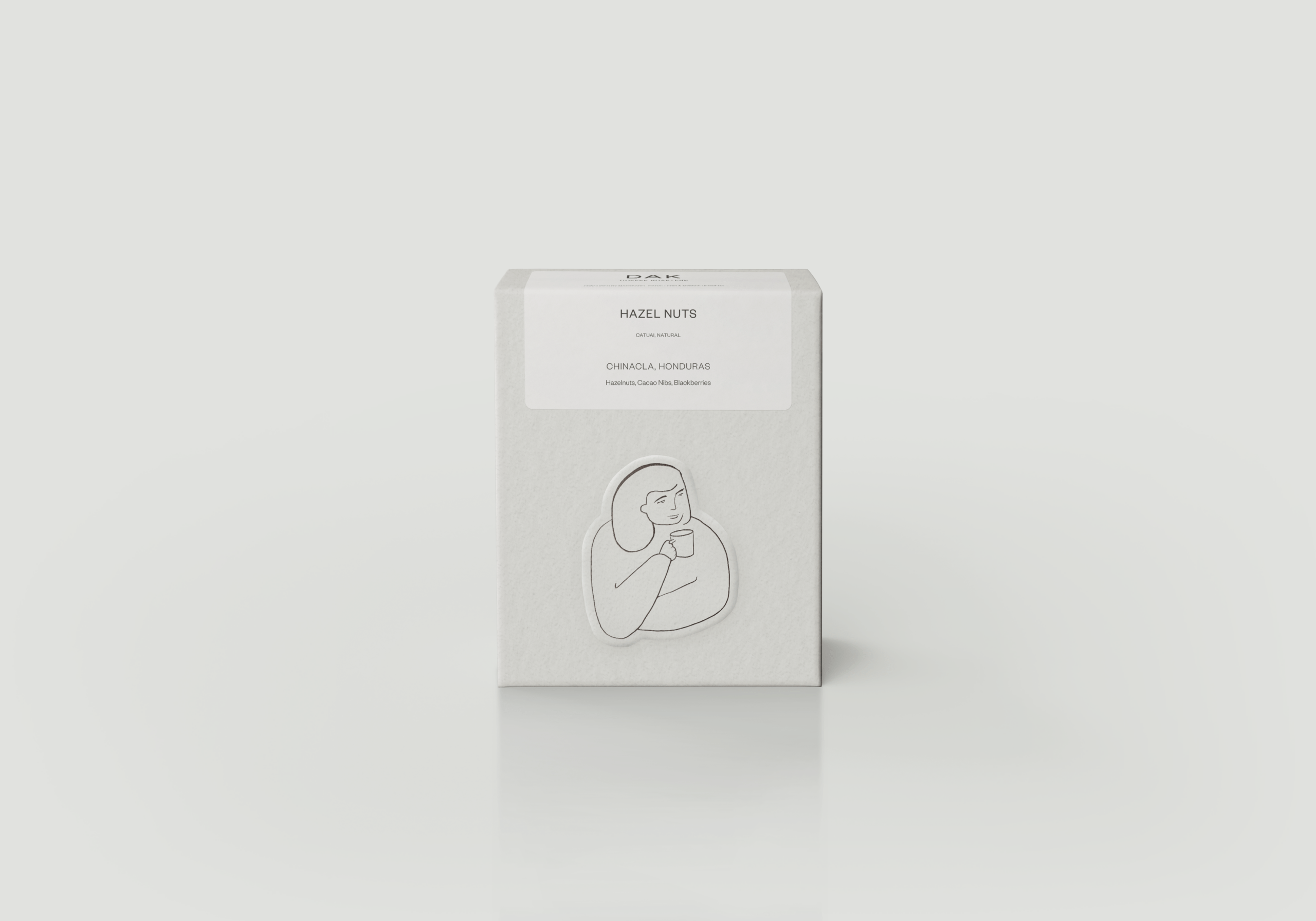
Hazel Nuts

 16,00
Catuai, Natural, Honduras
Blackberry, Cacao Nibs, Hazelnut

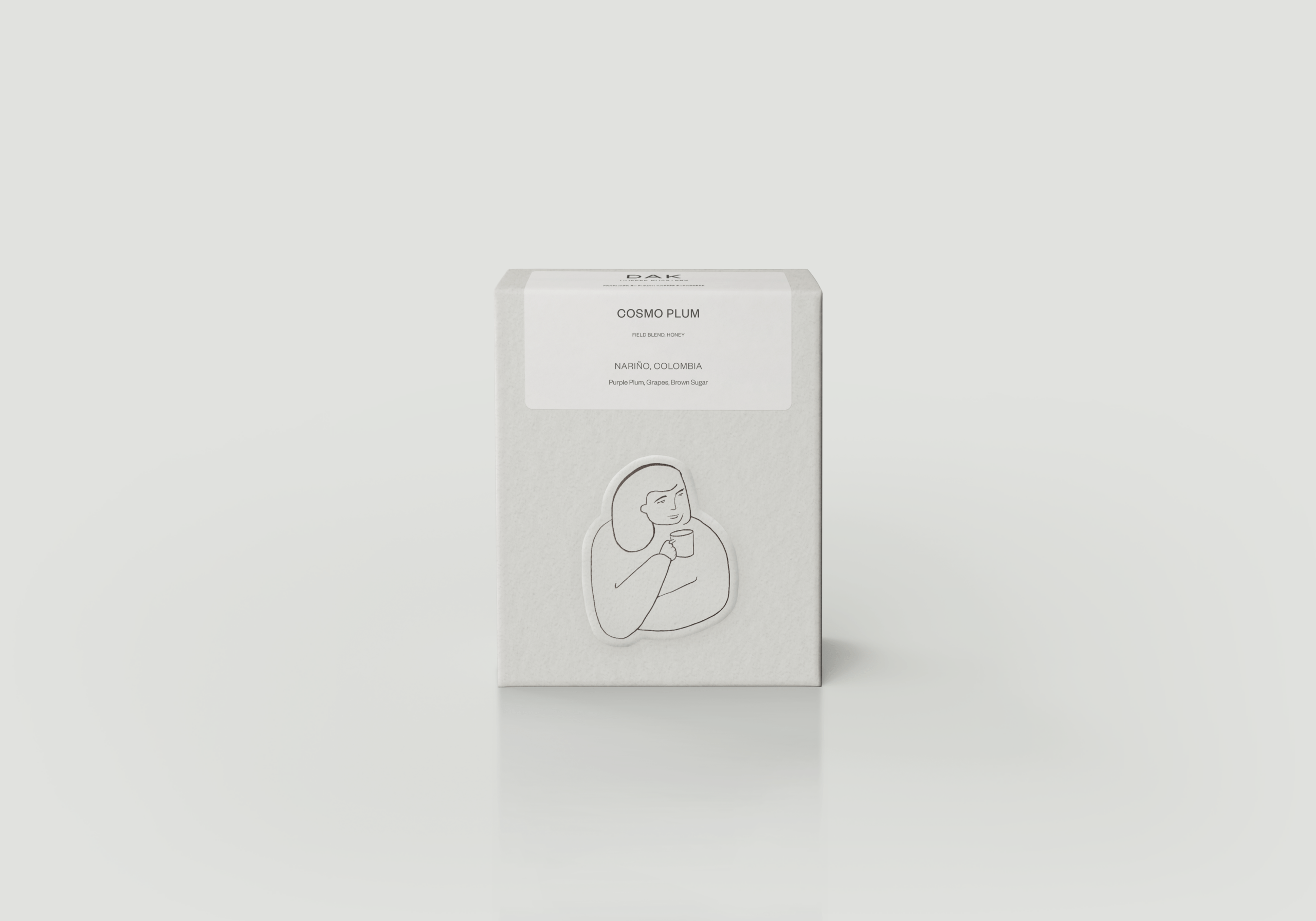
Cosmo Plum

 15,95
Caturra, Chiroso, Field Blend, Honey, Colombia
Brown Sugar, Grapes, Purple Plum

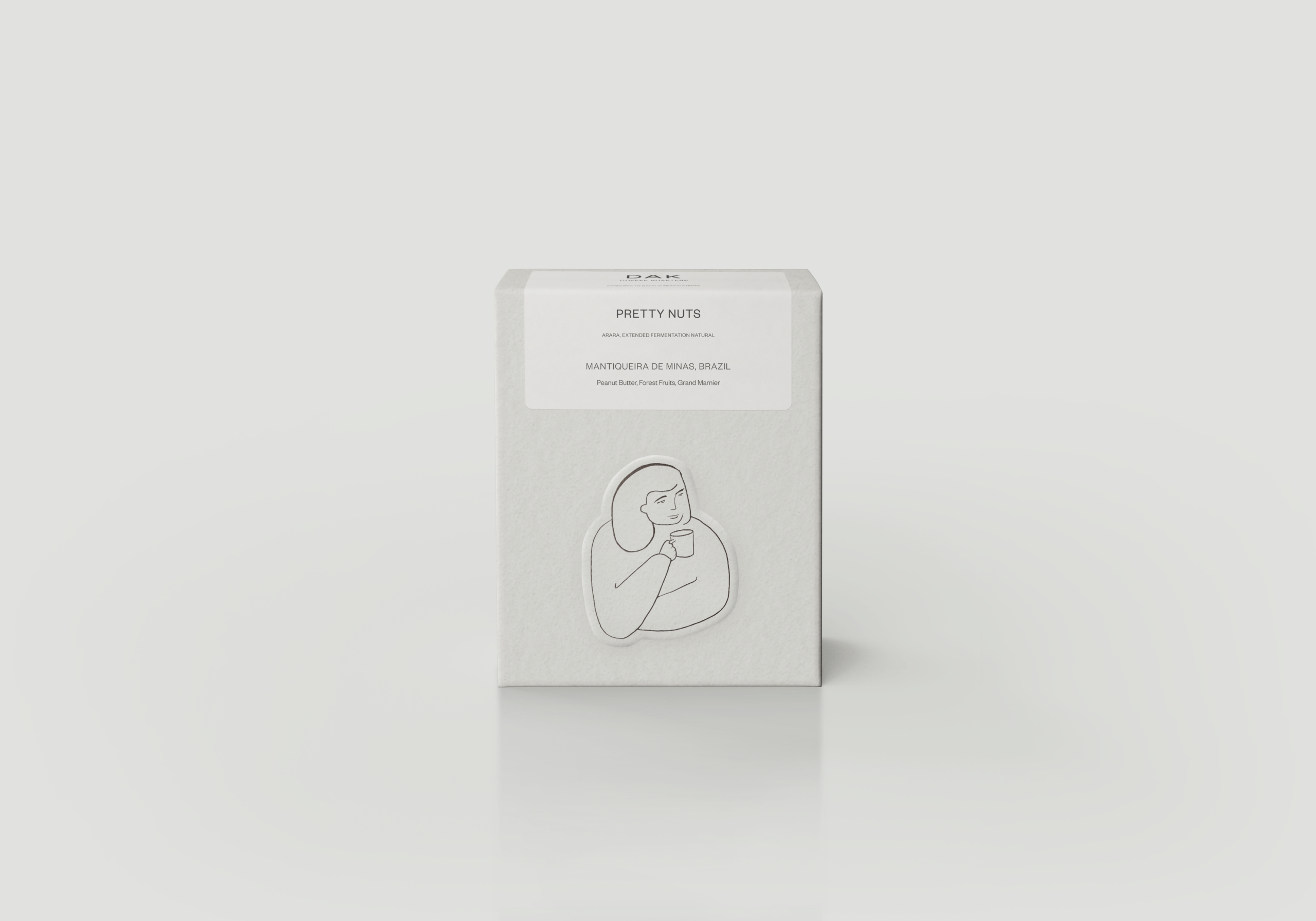
Pretty Nuts

 18,00
Arara, Extended Fermentation Natural, Brazil
Forest Fruits, Grand Marnier, Peanut Butter

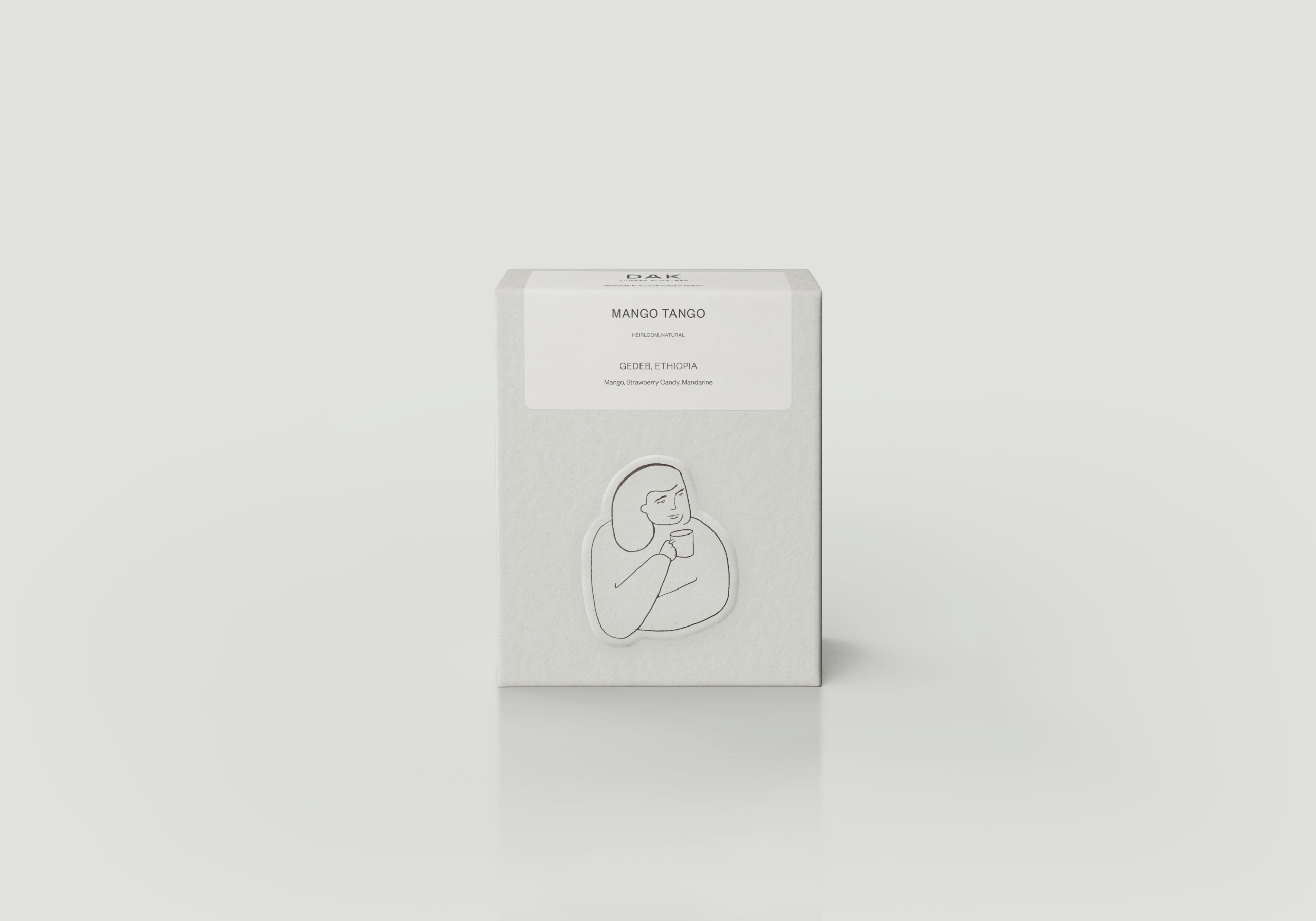
Mango Tango

 17,43
Heirloom, Natural, Ethiopia
Mandarine, Mango, Strawberry Candy

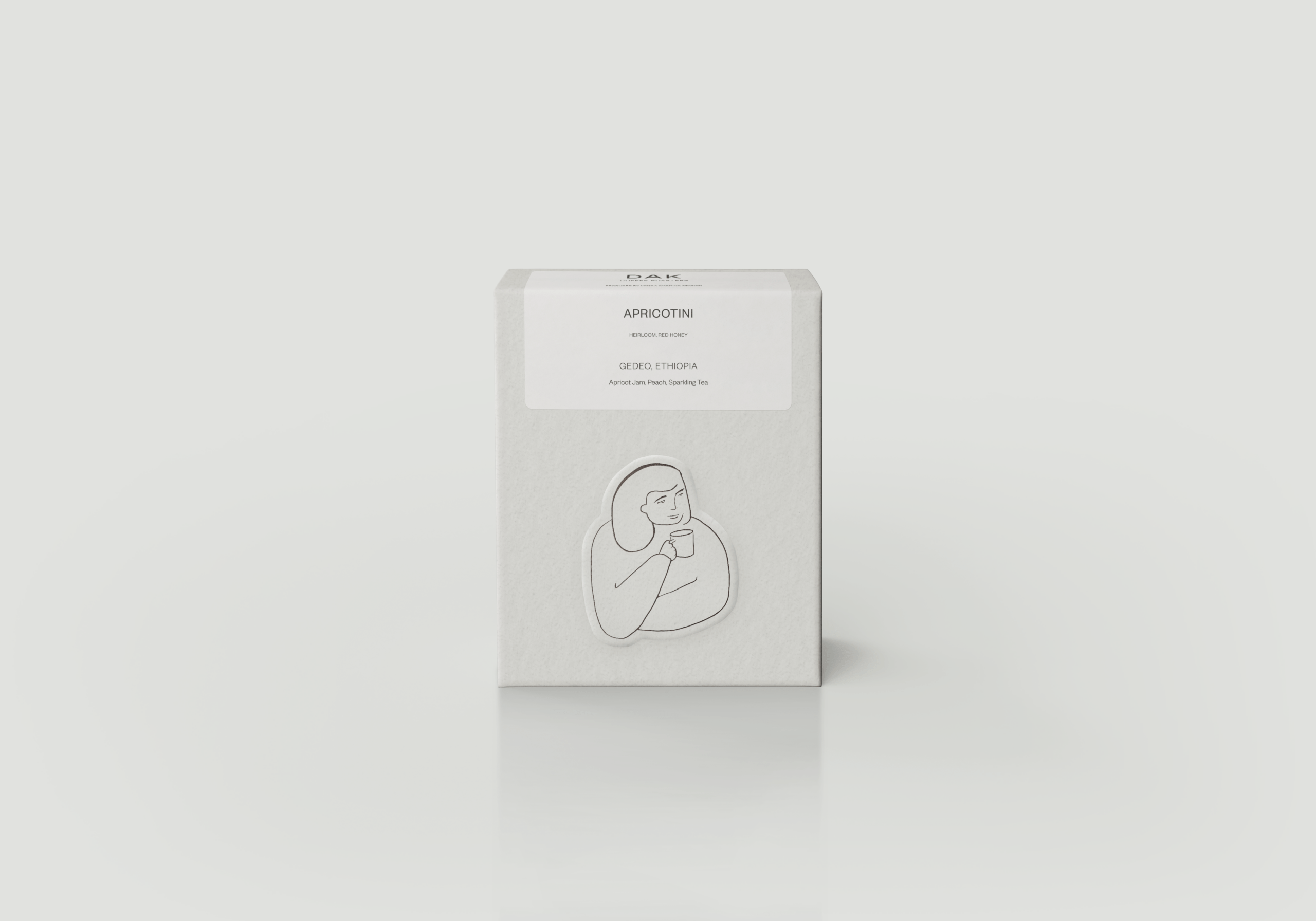
Apricotini

 18,95
Heirloom, Red Honey, Ethiopia
Apricot Jam, Peach, Sparkling Tea

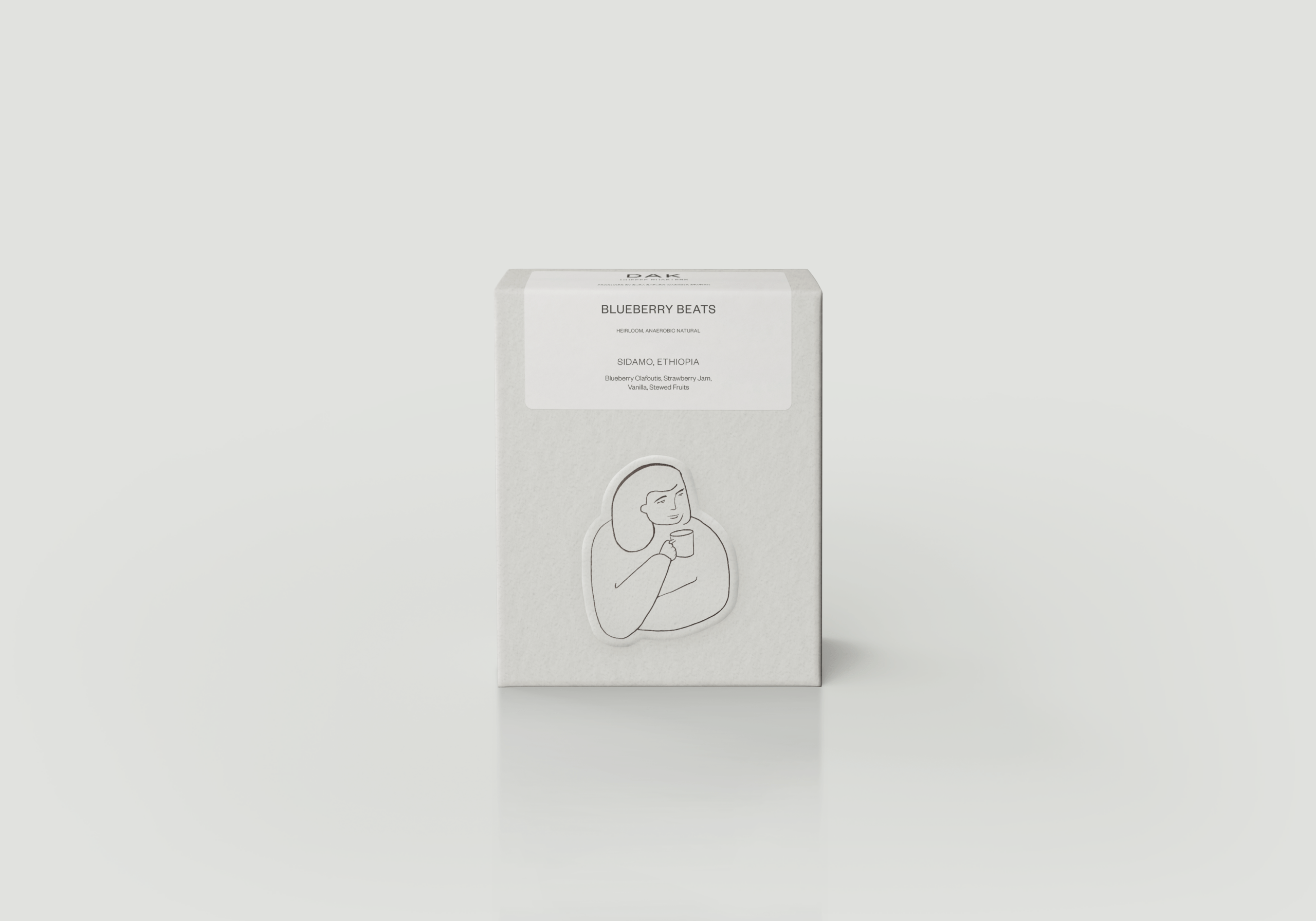
Blueberry Beats

 24,95
Heirloom, Anaerobic Natural, Ethiopia
Blueberry, Stewed Fruits, Strawberry, Vanilla
Previous slide
Next slide

THE DAK BREW GUIDE

These are the recipes we use every day at the roastery and showroom. We keep them simple on purpose: water, ratio, grind size. The coffee does most of the work when the basics are right. Every setup is different, so treat these as a starting point. Adjust based on what you’re tasting and what your equipment gives you.

• Ratio: 1:3
• Dose: 18g in (adjust as needed for your basket)
• Yield: 54g out
• Brew time: 35 seconds (use this as a guideline rather than a strict target)
• Pressure: 6 bars if possible, otherwise 9 bars
• Temperature: 94 degrees (if possible to change the temperature)
• Pre-infusion time: 5-10 seconds (if possible)

• Ratio: 1:18 • Dose: 15g in • Yield: 270ml out • Brew time: 3:00 – 3:30 minutes • Temperature: 96 degrees • Bloom with 75g of water for 1 minute • First pour to 170g, second pour to 270g

Water is 98% of your cup, so it changes everything. Mineral content varies between cities, neighbourhoods, and even seasons depending on which reservoir is supplying the tap. If your water is hard (above 150ppm), switch to a soft bottled water around 50ppm. Too soft is always better than too hard. The difference in the cup is immediate.

Ethiopian coffees
Ethiopian beans are more brittle and produce more fines when grinding. Too much agitation during brewing pushes those fines into the filter and slows everything down. Keep agitation low. If the cup still tastes over-extracted or the drawdown stalls, grind coarser and extend the ratio or brew time slightly to compensate.

The look of a shot
Naked portafilters show you what’s happening, but what you see has no reliable connection to what you’ll taste. A messy-looking shot can taste clean, and a photogenic one can taste flat. Taste every shot, even the ones outside your parameters, and adjust from there.

Crema
Crema is gas escaping coffee under pressure. It carries very few desirable flavour compounds and can actually taste harsh. Removing it will almost always improve the cup. With light roast espresso especially, ignore the crema and focus on what’s in the liquid.

Freezing coffee
Freezing keeps coffee at peak flavour, but roasted coffee can’t be thawed and refrozen without losing quality. Vacuum-seal in single doses before freezing. When you’re ready to brew, grind it frozen. Don’t let it thaw first. Every grinder handles frozen beans without issue, and the results are often better. One dose out, the rest stays sealed.